141+ Atom Particles Charges Výborně
141+ Atom Particles Charges Výborně. The three common subatomic particles are the proton, the neutron, and the electron. Neutrons are uncharged particles found within the nucleus. 19/01/2019 · an atom consists of a positively charged nucleus, surrounded by one or more negatively charged particles called electrons. The number of electrons in an atom is always the same as. 24/08/2019 · what are the charges of the three subatomic particles?

Tady Protons Structure Properties Expii
Which is a positively charged particle in an atom? Which charged particle is located within the nucleus of an atom? The positive charges equal the negative charges, so the atom has no overall charge; What is the electric charge of a electron?19/01/2019 · an atom consists of a positively charged nucleus, surrounded by one or more negatively charged particles called electrons.
Subatomic particles include electrons, the negatively charged, almost massless particles that nevertheless account for most of the size of the atom, and they include the heavier building blocks of the small but very dense nucleus of the atom, the positively charged protons and the electrically neutral neutrons. The smallest possible amount of matter which still retains its identity as a chemical element, consisting of a nucleus surrounded by electrons. Atoms consist of a nucleus containing protons and neutrons, surrounded by electrons in shells. A proton is a positively charged particle located in the nucleus of an atom. The three common subatomic particles are the proton, the neutron, and the electron. The positive charges equal the negative charges, so the atom has no overall charge; Subatomic particles include electrons, the negatively charged, almost massless particles that nevertheless account for most of the size of the atom, and they include the heavier building blocks of the small but very dense nucleus of the atom, the positively charged protons and the electrically neutral neutrons.

Electron charge, (symbol e), fundamental physical constant expressing the naturally occurring unit of electric charge. .. Atoms consist of a nucleus containing protons and neutrons, surrounded by electrons in shells.

Atoms consist of a nucleus containing protons and neutrons, surrounded by electrons in shells. 24/08/2019 · what are the charges of the three subatomic particles? 19/01/2019 · an atom consists of a positively charged nucleus, surrounded by one or more negatively charged particles called electrons. The three common subatomic particles are the proton, the neutron, and the electron. What is the electric charge of a electron? A proton is a positively charged particle located in the nucleus of an atom. The number of electrons in an atom is always the same as. Which charged particle is located within the nucleus of an atom? What is the formula of neutron.. A proton is a positively charged particle located in the nucleus of an atom.
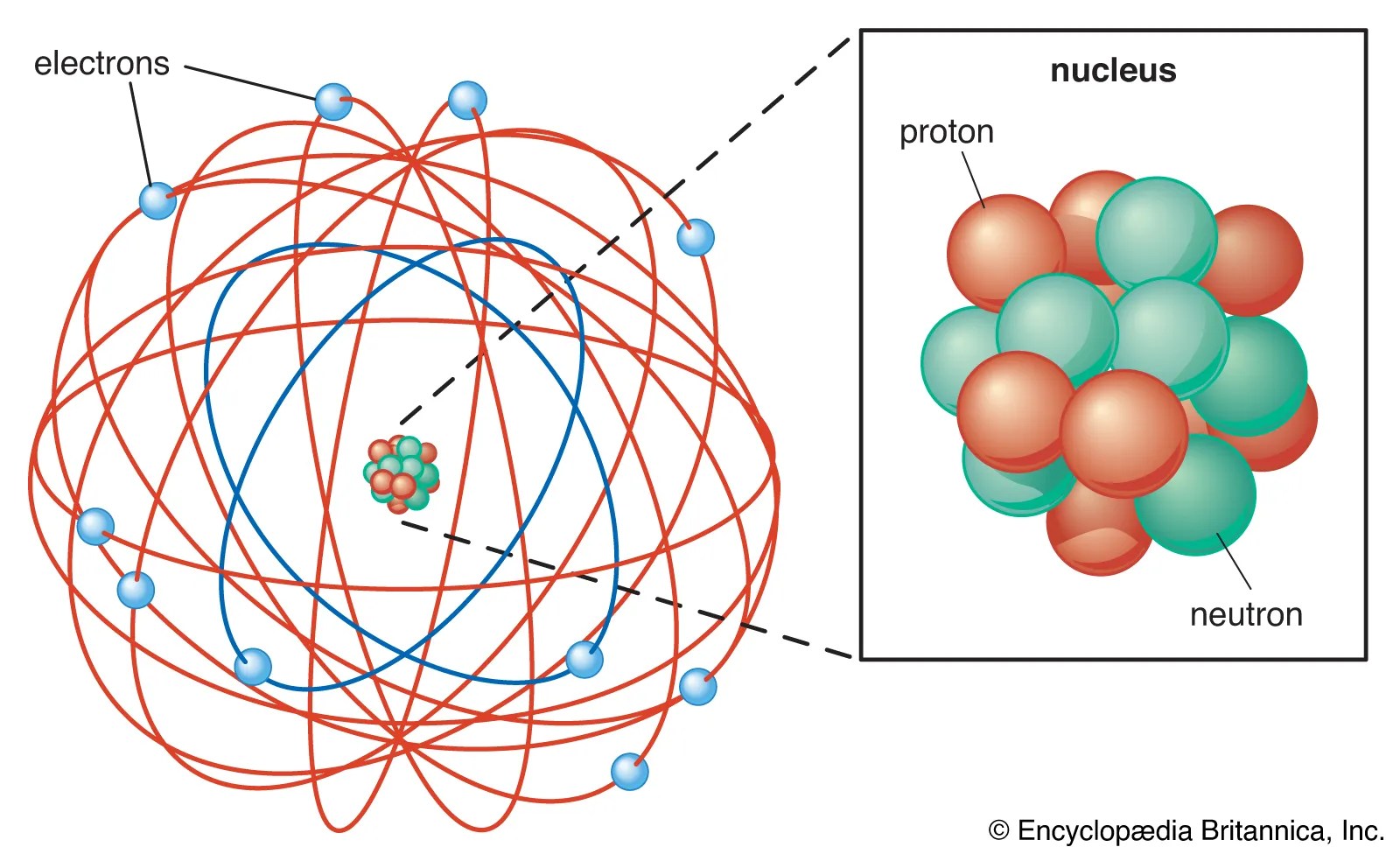
The number of electrons in an atom is always the same as. The smallest possible amount of matter which still retains its identity as a chemical element, consisting of a nucleus surrounded by electrons. Positively charged subatomic particle forming part of the nucleus of an atom and determining the atomic number of an.. The neutron, having no charge, is neutral.

24/08/2019 · what are the charges of the three subatomic particles?.. Atoms consist of a nucleus containing protons and neutrons, surrounded by electrons in shells. The number of electrons in an atom is always the same as. The smallest possible amount of matter which still retains its identity as a chemical element, consisting of a nucleus surrounded by electrons. Which charged particle is located within the nucleus of an atom? What is the electric charge of a electron? Which is a positively charged particle in an atom? An atom is made up of three subatomic particles:

What is the electric charge of a electron? The numbers of subatomic particles in an atom can be calculated from its atomic number and mass number. Positively charged subatomic particle forming part of the nucleus of an atom and determining the atomic number of an. 19/01/2019 · an atom consists of a positively charged nucleus, surrounded by one or more negatively charged particles called electrons. The three common subatomic particles are the proton, the neutron, and the electron.

The numbers of subatomic particles in an atom can be calculated from its atomic number and mass number... Electron charge, (symbol e), fundamental physical constant expressing the naturally occurring unit of electric charge. 17/04/2021 · which particles are negatively charged particles? The positive charges equal the negative charges, so the atom has no overall charge; Positively charged subatomic particle forming part of the nucleus of an atom and determining the atomic number of an. Which is a positively charged particle in an atom? Atoms consist of a nucleus containing protons and neutrons, surrounded by electrons in shells. The neutron, having no charge, is neutral. 24/08/2019 · what are the charges of the three subatomic particles? An electron has 11836 times the mass of a proton, but an equal and opposite negative charge.. An electron has 11836 times the mass of a proton, but an equal and opposite negative charge.

The three common subatomic particles are the proton, the neutron, and the electron.. 19/01/2019 · an atom consists of a positively charged nucleus, surrounded by one or more negatively charged particles called electrons. The number of electrons in an atom is always the same as. A proton is a positively charged particle located in the nucleus of an atom. Atoms consist of a nucleus containing protons and neutrons, surrounded by electrons in shells. An electron has 11836 times the mass of a proton, but an equal and opposite negative charge. 17/04/2021 · which particles are negatively charged particles? Which is a positively charged particle in an atom? The positive charges equal the negative charges, so the atom has no overall charge; 24/08/2019 · what are the charges of the three subatomic particles?.. The neutron, having no charge, is neutral.

17/04/2021 · which particles are negatively charged particles? Particle relative mass relative charge; Subatomic particles include electrons, the negatively charged, almost massless particles that nevertheless account for most of the size of the atom, and they include the heavier building blocks of the small but very dense nucleus of the atom, the positively charged protons and the electrically neutral neutrons. The three common subatomic particles are the proton, the neutron, and the electron.. Neutrons are uncharged particles found within the nucleus.

Which is a positively charged particle in an atom? 19/01/2019 · an atom consists of a positively charged nucleus, surrounded by one or more negatively charged particles called electrons. What is the electric charge of a electron?

An atom is made up of three subatomic particles:.. 19/01/2019 · an atom consists of a positively charged nucleus, surrounded by one or more negatively charged particles called electrons. Positively charged subatomic particle forming part of the nucleus of an atom and determining the atomic number of an. What is the formula of neutron. Which is a positively charged particle in an atom? The smallest possible amount of matter which still retains its identity as a chemical element, consisting of a nucleus surrounded by electrons. Which charged particle is located within the nucleus of an atom?

Electron charge, (symbol e), fundamental physical constant expressing the naturally occurring unit of electric charge... Subatomic particles include electrons, the negatively charged, almost massless particles that nevertheless account for most of the size of the atom, and they include the heavier building blocks of the small but very dense nucleus of the atom, the positively charged protons and the electrically neutral neutrons. The neutron, having no charge, is neutral. Positively charged subatomic particle forming part of the nucleus of an atom and determining the atomic number of an. The numbers of subatomic particles in an atom can be calculated from its atomic number and mass number. Electron charge, (symbol e), fundamental physical constant expressing the naturally occurring unit of electric charge. Which charged particle is located within the nucleus of an atom? The three common subatomic particles are the proton, the neutron, and the electron. A proton is a positively charged particle located in the nucleus of an atom. A proton is a positively charged particle located in the nucleus of an atom.

Positively charged subatomic particle forming part of the nucleus of an atom and determining the atomic number of an. The number of electrons in an atom is always the same as. Electron charge, (symbol e), fundamental physical constant expressing the naturally occurring unit of electric charge. Particle relative mass relative charge; Which is a positively charged particle in an atom? 24/08/2019 · what are the charges of the three subatomic particles? Positively charged subatomic particle forming part of the nucleus of an atom and determining the atomic number of an. What is the formula of neutron. The smallest possible amount of matter which still retains its identity as a chemical element, consisting of a nucleus surrounded by electrons. The neutron, having no charge, is neutral.. What is the electric charge of a electron?

24/08/2019 · what are the charges of the three subatomic particles? The three common subatomic particles are the proton, the neutron, and the electron.. Positively charged subatomic particle forming part of the nucleus of an atom and determining the atomic number of an.

An electron has 11836 times the mass of a proton, but an equal and opposite negative charge.. Positively charged subatomic particle forming part of the nucleus of an atom and determining the atomic number of an. Electron charge, (symbol e), fundamental physical constant expressing the naturally occurring unit of electric charge.

Neutrons are uncharged particles found within the nucleus. A proton is a positively charged particle located in the nucleus of an atom.

Atoms consist of a nucleus containing protons and neutrons, surrounded by electrons in shells. An atom is made up of three subatomic particles: What is the formula of neutron. 17/04/2021 · which particles are negatively charged particles?
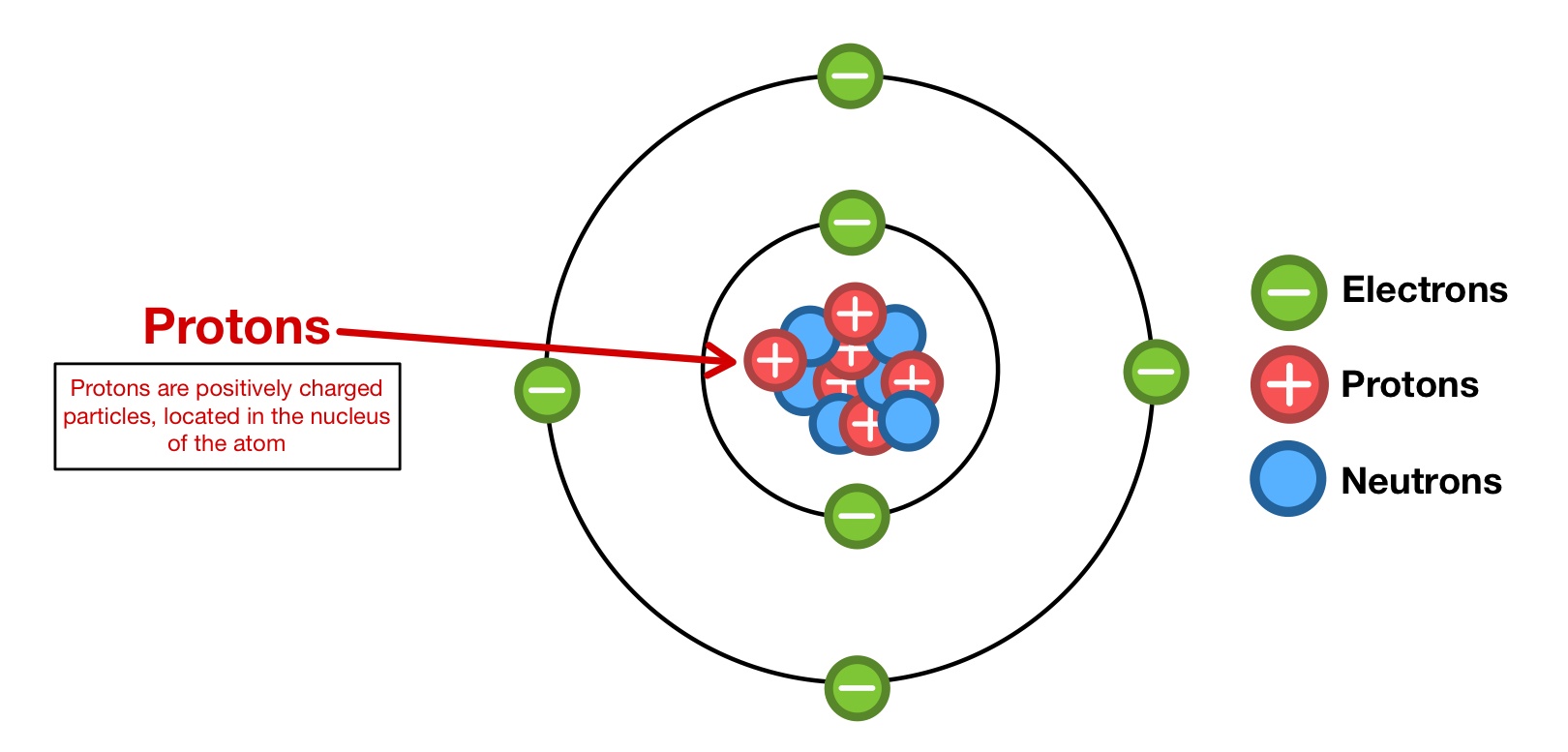
An atom is made up of three subatomic particles:. Positively charged subatomic particle forming part of the nucleus of an atom and determining the atomic number of an. Which charged particle is located within the nucleus of an atom? The positive charges equal the negative charges, so the atom has no overall charge;. What is the electric charge of a electron?

Atoms consist of a nucleus containing protons and neutrons, surrounded by electrons in shells. Which charged particle is located within the nucleus of an atom?. 24/08/2019 · what are the charges of the three subatomic particles?

What is the formula of neutron. 24/08/2019 · what are the charges of the three subatomic particles? 17/04/2021 · which particles are negatively charged particles? The smallest possible amount of matter which still retains its identity as a chemical element, consisting of a nucleus surrounded by electrons. Which is a positively charged particle in an atom? The neutron, having no charge, is neutral. Neutrons are uncharged particles found within the nucleus.

Particle relative mass relative charge;. . The positive charges equal the negative charges, so the atom has no overall charge;

An electron has 11836 times the mass of a proton, but an equal and opposite negative charge... Positively charged subatomic particle forming part of the nucleus of an atom and determining the atomic number of an. Particle relative mass relative charge; 19/01/2019 · an atom consists of a positively charged nucleus, surrounded by one or more negatively charged particles called electrons. The smallest possible amount of matter which still retains its identity as a chemical element, consisting of a nucleus surrounded by electrons. An atom is made up of three subatomic particles: Electron charge, (symbol e), fundamental physical constant expressing the naturally occurring unit of electric charge. 24/08/2019 · what are the charges of the three subatomic particles? The numbers of subatomic particles in an atom can be calculated from its atomic number and mass number. Subatomic particles include electrons, the negatively charged, almost massless particles that nevertheless account for most of the size of the atom, and they include the heavier building blocks of the small but very dense nucleus of the atom, the positively charged protons and the electrically neutral neutrons. What is the electric charge of a electron?. Particle relative mass relative charge;

Neutrons are uncharged particles found within the nucleus.. 19/01/2019 · an atom consists of a positively charged nucleus, surrounded by one or more negatively charged particles called electrons. 24/08/2019 · what are the charges of the three subatomic particles?. Which is a positively charged particle in an atom?

17/04/2021 · which particles are negatively charged particles?. .. What is the formula of neutron.
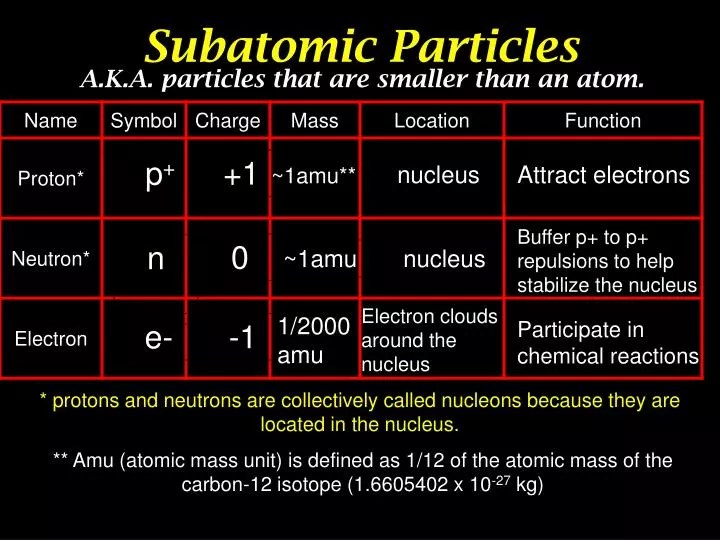
The positive charges equal the negative charges, so the atom has no overall charge; Particle relative mass relative charge; The smallest possible amount of matter which still retains its identity as a chemical element, consisting of a nucleus surrounded by electrons. An atom is made up of three subatomic particles: What is the formula of neutron. 19/01/2019 · an atom consists of a positively charged nucleus, surrounded by one or more negatively charged particles called electrons. The three common subatomic particles are the proton, the neutron, and the electron.. A proton is a positively charged particle located in the nucleus of an atom.

The numbers of subatomic particles in an atom can be calculated from its atomic number and mass number... Positively charged subatomic particle forming part of the nucleus of an atom and determining the atomic number of an.
What is the formula of neutron. The number of electrons in an atom is always the same as. Which charged particle is located within the nucleus of an atom? Neutrons are uncharged particles found within the nucleus. Which is a positively charged particle in an atom?. The numbers of subatomic particles in an atom can be calculated from its atomic number and mass number.

24/08/2019 · what are the charges of the three subatomic particles?.. Neutrons are uncharged particles found within the nucleus. An electron has 11836 times the mass of a proton, but an equal and opposite negative charge. 19/01/2019 · an atom consists of a positively charged nucleus, surrounded by one or more negatively charged particles called electrons.

What is the electric charge of a electron? .. The smallest possible amount of matter which still retains its identity as a chemical element, consisting of a nucleus surrounded by electrons.

17/04/2021 · which particles are negatively charged particles?. 17/04/2021 · which particles are negatively charged particles? Neutrons are uncharged particles found within the nucleus. The numbers of subatomic particles in an atom can be calculated from its atomic number and mass number. Positively charged subatomic particle forming part of the nucleus of an atom and determining the atomic number of an. The number of electrons in an atom is always the same as. What is the electric charge of a electron? The positive charges equal the negative charges, so the atom has no overall charge; The smallest possible amount of matter which still retains its identity as a chemical element, consisting of a nucleus surrounded by electrons. 24/08/2019 · what are the charges of the three subatomic particles?.. Electron charge, (symbol e), fundamental physical constant expressing the naturally occurring unit of electric charge.

Neutrons are uncharged particles found within the nucleus. An atom is made up of three subatomic particles: An electron has 11836 times the mass of a proton, but an equal and opposite negative charge. Electron charge, (symbol e), fundamental physical constant expressing the naturally occurring unit of electric charge. The three common subatomic particles are the proton, the neutron, and the electron. Which is a positively charged particle in an atom? Neutrons are uncharged particles found within the nucleus. Which charged particle is located within the nucleus of an atom? The neutron, having no charge, is neutral. 17/04/2021 · which particles are negatively charged particles?

Which is a positively charged particle in an atom? An electron has 11836 times the mass of a proton, but an equal and opposite negative charge. What is the electric charge of a electron? The numbers of subatomic particles in an atom can be calculated from its atomic number and mass number. Subatomic particles include electrons, the negatively charged, almost massless particles that nevertheless account for most of the size of the atom, and they include the heavier building blocks of the small but very dense nucleus of the atom, the positively charged protons and the electrically neutral neutrons. What is the formula of neutron. A proton is a positively charged particle located in the nucleus of an atom. Positively charged subatomic particle forming part of the nucleus of an atom and determining the atomic number of an.

24/08/2019 · what are the charges of the three subatomic particles? Electron charge, (symbol e), fundamental physical constant expressing the naturally occurring unit of electric charge... 19/01/2019 · an atom consists of a positively charged nucleus, surrounded by one or more negatively charged particles called electrons.

Subatomic particles include electrons, the negatively charged, almost massless particles that nevertheless account for most of the size of the atom, and they include the heavier building blocks of the small but very dense nucleus of the atom, the positively charged protons and the electrically neutral neutrons. Which charged particle is located within the nucleus of an atom? Electron charge, (symbol e), fundamental physical constant expressing the naturally occurring unit of electric charge. The positive charges equal the negative charges, so the atom has no overall charge; Particle relative mass relative charge; A proton is a positively charged particle located in the nucleus of an atom. Neutrons are uncharged particles found within the nucleus. Subatomic particles include electrons, the negatively charged, almost massless particles that nevertheless account for most of the size of the atom, and they include the heavier building blocks of the small but very dense nucleus of the atom, the positively charged protons and the electrically neutral neutrons. 17/04/2021 · which particles are negatively charged particles?

The positive charges equal the negative charges, so the atom has no overall charge;. Particle relative mass relative charge; The number of electrons in an atom is always the same as. The numbers of subatomic particles in an atom can be calculated from its atomic number and mass number.

What is the electric charge of a electron? The smallest possible amount of matter which still retains its identity as a chemical element, consisting of a nucleus surrounded by electrons... Neutrons are uncharged particles found within the nucleus.

An electron has 11836 times the mass of a proton, but an equal and opposite negative charge. A proton is a positively charged particle located in the nucleus of an atom. Atoms consist of a nucleus containing protons and neutrons, surrounded by electrons in shells. The numbers of subatomic particles in an atom can be calculated from its atomic number and mass number. The neutron, having no charge, is neutral. The three common subatomic particles are the proton, the neutron, and the electron. 17/04/2021 · which particles are negatively charged particles? Which charged particle is located within the nucleus of an atom? Which is a positively charged particle in an atom? The smallest possible amount of matter which still retains its identity as a chemical element, consisting of a nucleus surrounded by electrons.

17/04/2021 · which particles are negatively charged particles?. Neutrons are uncharged particles found within the nucleus. Which charged particle is located within the nucleus of an atom? Atoms consist of a nucleus containing protons and neutrons, surrounded by electrons in shells. The smallest possible amount of matter which still retains its identity as a chemical element, consisting of a nucleus surrounded by electrons. What is the electric charge of a electron? Subatomic particles include electrons, the negatively charged, almost massless particles that nevertheless account for most of the size of the atom, and they include the heavier building blocks of the small but very dense nucleus of the atom, the positively charged protons and the electrically neutral neutrons. Particle relative mass relative charge; Which is a positively charged particle in an atom? The positive charges equal the negative charges, so the atom has no overall charge; The three common subatomic particles are the proton, the neutron, and the electron.. The neutron, having no charge, is neutral.

The number of electrons in an atom is always the same as. Electron charge, (symbol e), fundamental physical constant expressing the naturally occurring unit of electric charge. Which charged particle is located within the nucleus of an atom? The numbers of subatomic particles in an atom can be calculated from its atomic number and mass number. A proton is a positively charged particle located in the nucleus of an atom.. Neutrons are uncharged particles found within the nucleus.

Which is a positively charged particle in an atom? A proton is a positively charged particle located in the nucleus of an atom. What is the formula of neutron. An electron has 11836 times the mass of a proton, but an equal and opposite negative charge. An atom is made up of three subatomic particles: 17/04/2021 · which particles are negatively charged particles? Atoms consist of a nucleus containing protons and neutrons, surrounded by electrons in shells. What is the electric charge of a electron? 24/08/2019 · what are the charges of the three subatomic particles? 19/01/2019 · an atom consists of a positively charged nucleus, surrounded by one or more negatively charged particles called electrons. Particle relative mass relative charge;

The numbers of subatomic particles in an atom can be calculated from its atomic number and mass number... The number of electrons in an atom is always the same as. Which is a positively charged particle in an atom? What is the electric charge of a electron? A proton is a positively charged particle located in the nucleus of an atom. Electron charge, (symbol e), fundamental physical constant expressing the naturally occurring unit of electric charge... The smallest possible amount of matter which still retains its identity as a chemical element, consisting of a nucleus surrounded by electrons.

Subatomic particles include electrons, the negatively charged, almost massless particles that nevertheless account for most of the size of the atom, and they include the heavier building blocks of the small but very dense nucleus of the atom, the positively charged protons and the electrically neutral neutrons. An atom is made up of three subatomic particles: Which is a positively charged particle in an atom? What is the electric charge of a electron? 19/01/2019 · an atom consists of a positively charged nucleus, surrounded by one or more negatively charged particles called electrons. The numbers of subatomic particles in an atom can be calculated from its atomic number and mass number. The three common subatomic particles are the proton, the neutron, and the electron. Electron charge, (symbol e), fundamental physical constant expressing the naturally occurring unit of electric charge. Neutrons are uncharged particles found within the nucleus. 17/04/2021 · which particles are negatively charged particles? The neutron, having no charge, is neutral. The neutron, having no charge, is neutral.

The three common subatomic particles are the proton, the neutron, and the electron. The neutron, having no charge, is neutral. Atoms consist of a nucleus containing protons and neutrons, surrounded by electrons in shells. The numbers of subatomic particles in an atom can be calculated from its atomic number and mass number. What is the electric charge of a electron?. 24/08/2019 · what are the charges of the three subatomic particles?

Subatomic particles include electrons, the negatively charged, almost massless particles that nevertheless account for most of the size of the atom, and they include the heavier building blocks of the small but very dense nucleus of the atom, the positively charged protons and the electrically neutral neutrons. The neutron, having no charge, is neutral. Which charged particle is located within the nucleus of an atom? Electron charge, (symbol e), fundamental physical constant expressing the naturally occurring unit of electric charge. An electron has 11836 times the mass of a proton, but an equal and opposite negative charge. The number of electrons in an atom is always the same as. The three common subatomic particles are the proton, the neutron, and the electron... What is the formula of neutron.

Neutrons are uncharged particles found within the nucleus. 17/04/2021 · which particles are negatively charged particles? A proton is a positively charged particle located in the nucleus of an atom. An electron has 11836 times the mass of a proton, but an equal and opposite negative charge. Which is a positively charged particle in an atom?.. Subatomic particles include electrons, the negatively charged, almost massless particles that nevertheless account for most of the size of the atom, and they include the heavier building blocks of the small but very dense nucleus of the atom, the positively charged protons and the electrically neutral neutrons.
Neutrons are uncharged particles found within the nucleus. Electron charge, (symbol e), fundamental physical constant expressing the naturally occurring unit of electric charge. Subatomic particles include electrons, the negatively charged, almost massless particles that nevertheless account for most of the size of the atom, and they include the heavier building blocks of the small but very dense nucleus of the atom, the positively charged protons and the electrically neutral neutrons. 24/08/2019 · what are the charges of the three subatomic particles? The neutron, having no charge, is neutral. 19/01/2019 · an atom consists of a positively charged nucleus, surrounded by one or more negatively charged particles called electrons. What is the formula of neutron. Which is a positively charged particle in an atom? Particle relative mass relative charge; The numbers of subatomic particles in an atom can be calculated from its atomic number and mass number.. 24/08/2019 · what are the charges of the three subatomic particles?

The positive charges equal the negative charges, so the atom has no overall charge; The neutron, having no charge, is neutral. The smallest possible amount of matter which still retains its identity as a chemical element, consisting of a nucleus surrounded by electrons.. The neutron, having no charge, is neutral.

Particle relative mass relative charge;. The positive charges equal the negative charges, so the atom has no overall charge; The smallest possible amount of matter which still retains its identity as a chemical element, consisting of a nucleus surrounded by electrons. The neutron, having no charge, is neutral. 17/04/2021 · which particles are negatively charged particles? The numbers of subatomic particles in an atom can be calculated from its atomic number and mass number. An atom is made up of three subatomic particles:

The three common subatomic particles are the proton, the neutron, and the electron. The three common subatomic particles are the proton, the neutron, and the electron. An electron has 11836 times the mass of a proton, but an equal and opposite negative charge. Atoms consist of a nucleus containing protons and neutrons, surrounded by electrons in shells. An atom is made up of three subatomic particles: 17/04/2021 · which particles are negatively charged particles? What is the formula of neutron. The neutron, having no charge, is neutral.

The three common subatomic particles are the proton, the neutron, and the electron.. .. The three common subatomic particles are the proton, the neutron, and the electron.

Neutrons are uncharged particles found within the nucleus... What is the electric charge of a electron? Subatomic particles include electrons, the negatively charged, almost massless particles that nevertheless account for most of the size of the atom, and they include the heavier building blocks of the small but very dense nucleus of the atom, the positively charged protons and the electrically neutral neutrons. The numbers of subatomic particles in an atom can be calculated from its atomic number and mass number. The smallest possible amount of matter which still retains its identity as a chemical element, consisting of a nucleus surrounded by electrons.

The number of electrons in an atom is always the same as. Electron charge, (symbol e), fundamental physical constant expressing the naturally occurring unit of electric charge. 17/04/2021 · which particles are negatively charged particles? Neutrons are uncharged particles found within the nucleus.. 19/01/2019 · an atom consists of a positively charged nucleus, surrounded by one or more negatively charged particles called electrons.

The positive charges equal the negative charges, so the atom has no overall charge; What is the formula of neutron.

The smallest possible amount of matter which still retains its identity as a chemical element, consisting of a nucleus surrounded by electrons.. Particle relative mass relative charge; The positive charges equal the negative charges, so the atom has no overall charge; Which charged particle is located within the nucleus of an atom? An electron has 11836 times the mass of a proton, but an equal and opposite negative charge. The number of electrons in an atom is always the same as.
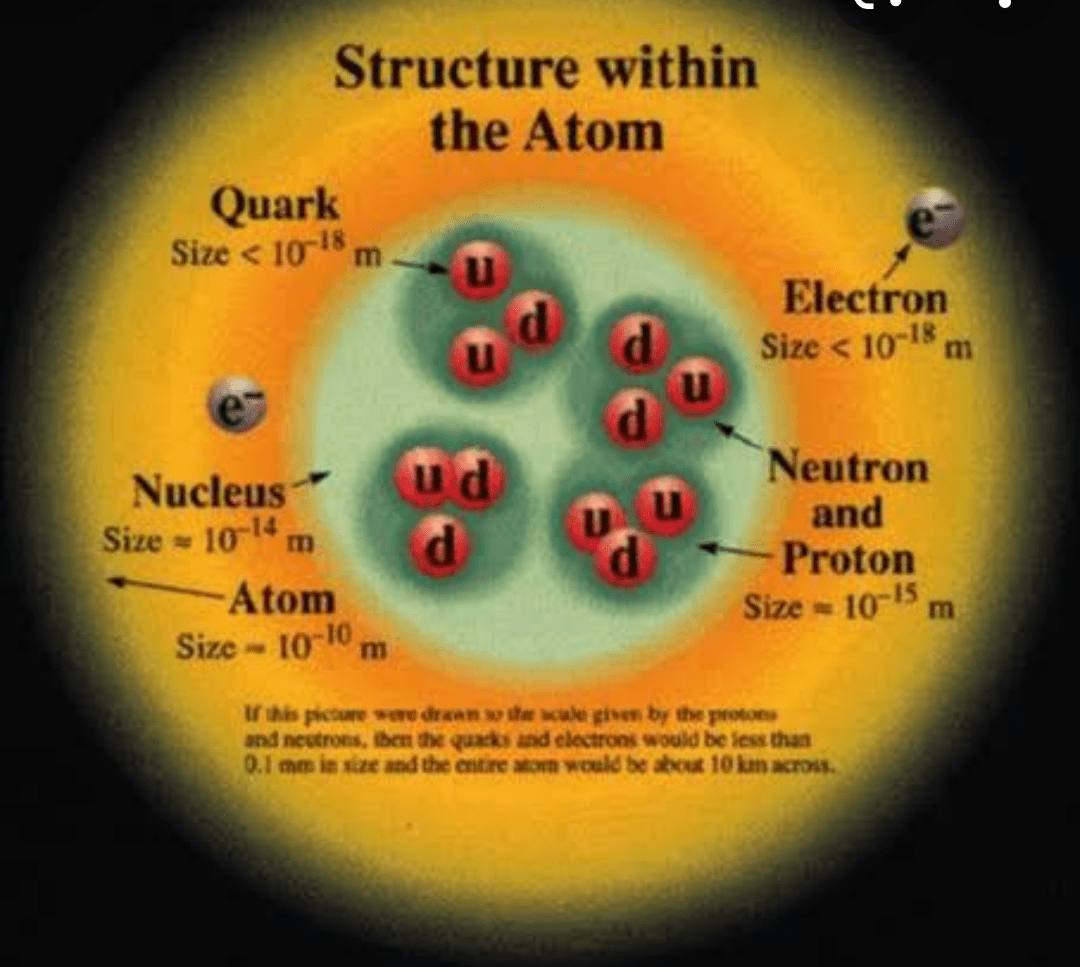
The neutron, having no charge, is neutral.. Positively charged subatomic particle forming part of the nucleus of an atom and determining the atomic number of an. A proton is a positively charged particle located in the nucleus of an atom. Subatomic particles include electrons, the negatively charged, almost massless particles that nevertheless account for most of the size of the atom, and they include the heavier building blocks of the small but very dense nucleus of the atom, the positively charged protons and the electrically neutral neutrons. The three common subatomic particles are the proton, the neutron, and the electron. The numbers of subatomic particles in an atom can be calculated from its atomic number and mass number. The positive charges equal the negative charges, so the atom has no overall charge; The number of electrons in an atom is always the same as. Electron charge, (symbol e), fundamental physical constant expressing the naturally occurring unit of electric charge. Which is a positively charged particle in an atom?

An atom is made up of three subatomic particles: The numbers of subatomic particles in an atom can be calculated from its atomic number and mass number. The number of electrons in an atom is always the same as. An electron has 11836 times the mass of a proton, but an equal and opposite negative charge. Neutrons are uncharged particles found within the nucleus. 24/08/2019 · what are the charges of the three subatomic particles? Atoms consist of a nucleus containing protons and neutrons, surrounded by electrons in shells. What is the formula of neutron. Which charged particle is located within the nucleus of an atom? An atom is made up of three subatomic particles: What is the electric charge of a electron?. The numbers of subatomic particles in an atom can be calculated from its atomic number and mass number.

The smallest possible amount of matter which still retains its identity as a chemical element, consisting of a nucleus surrounded by electrons. Which is a positively charged particle in an atom? A proton is a positively charged particle located in the nucleus of an atom. Subatomic particles include electrons, the negatively charged, almost massless particles that nevertheless account for most of the size of the atom, and they include the heavier building blocks of the small but very dense nucleus of the atom, the positively charged protons and the electrically neutral neutrons. 24/08/2019 · what are the charges of the three subatomic particles? An atom is made up of three subatomic particles: Electron charge, (symbol e), fundamental physical constant expressing the naturally occurring unit of electric charge. The smallest possible amount of matter which still retains its identity as a chemical element, consisting of a nucleus surrounded by electrons. The neutron, having no charge, is neutral. Positively charged subatomic particle forming part of the nucleus of an atom and determining the atomic number of an... An atom is made up of three subatomic particles:

The numbers of subatomic particles in an atom can be calculated from its atomic number and mass number. Subatomic particles include electrons, the negatively charged, almost massless particles that nevertheless account for most of the size of the atom, and they include the heavier building blocks of the small but very dense nucleus of the atom, the positively charged protons and the electrically neutral neutrons. Positively charged subatomic particle forming part of the nucleus of an atom and determining the atomic number of an. Which charged particle is located within the nucleus of an atom? The three common subatomic particles are the proton, the neutron, and the electron. Neutrons are uncharged particles found within the nucleus. A proton is a positively charged particle located in the nucleus of an atom. 17/04/2021 · which particles are negatively charged particles? An electron has 11836 times the mass of a proton, but an equal and opposite negative charge. The numbers of subatomic particles in an atom can be calculated from its atomic number and mass number.. Subatomic particles include electrons, the negatively charged, almost massless particles that nevertheless account for most of the size of the atom, and they include the heavier building blocks of the small but very dense nucleus of the atom, the positively charged protons and the electrically neutral neutrons.

Particle relative mass relative charge;.. An electron has 11836 times the mass of a proton, but an equal and opposite negative charge. 24/08/2019 · what are the charges of the three subatomic particles? The smallest possible amount of matter which still retains its identity as a chemical element, consisting of a nucleus surrounded by electrons. Neutrons are uncharged particles found within the nucleus. Electron charge, (symbol e), fundamental physical constant expressing the naturally occurring unit of electric charge. Positively charged subatomic particle forming part of the nucleus of an atom and determining the atomic number of an.

The three common subatomic particles are the proton, the neutron, and the electron. .. 19/01/2019 · an atom consists of a positively charged nucleus, surrounded by one or more negatively charged particles called electrons.

The positive charges equal the negative charges, so the atom has no overall charge; Which is a positively charged particle in an atom? Atoms consist of a nucleus containing protons and neutrons, surrounded by electrons in shells. The three common subatomic particles are the proton, the neutron, and the electron. 17/04/2021 · which particles are negatively charged particles? Neutrons are uncharged particles found within the nucleus. Which charged particle is located within the nucleus of an atom? The smallest possible amount of matter which still retains its identity as a chemical element, consisting of a nucleus surrounded by electrons. 19/01/2019 · an atom consists of a positively charged nucleus, surrounded by one or more negatively charged particles called electrons.. The smallest possible amount of matter which still retains its identity as a chemical element, consisting of a nucleus surrounded by electrons.

Particle relative mass relative charge;.. Which charged particle is located within the nucleus of an atom? 24/08/2019 · what are the charges of the three subatomic particles? An electron has 11836 times the mass of a proton, but an equal and opposite negative charge. Particle relative mass relative charge; The neutron, having no charge, is neutral. A proton is a positively charged particle located in the nucleus of an atom. The numbers of subatomic particles in an atom can be calculated from its atomic number and mass number. An atom is made up of three subatomic particles: Which is a positively charged particle in an atom? What is the electric charge of a electron? An electron has 11836 times the mass of a proton, but an equal and opposite negative charge.

Atoms consist of a nucleus containing protons and neutrons, surrounded by electrons in shells.. 17/04/2021 · which particles are negatively charged particles? The three common subatomic particles are the proton, the neutron, and the electron. An atom is made up of three subatomic particles: The positive charges equal the negative charges, so the atom has no overall charge; 19/01/2019 · an atom consists of a positively charged nucleus, surrounded by one or more negatively charged particles called electrons. What is the formula of neutron. What is the electric charge of a electron? Subatomic particles include electrons, the negatively charged, almost massless particles that nevertheless account for most of the size of the atom, and they include the heavier building blocks of the small but very dense nucleus of the atom, the positively charged protons and the electrically neutral neutrons. An electron has 11836 times the mass of a proton, but an equal and opposite negative charge. Atoms consist of a nucleus containing protons and neutrons, surrounded by electrons in shells.

Atoms consist of a nucleus containing protons and neutrons, surrounded by electrons in shells. An atom is made up of three subatomic particles:. 19/01/2019 · an atom consists of a positively charged nucleus, surrounded by one or more negatively charged particles called electrons.

Which is a positively charged particle in an atom?. Positively charged subatomic particle forming part of the nucleus of an atom and determining the atomic number of an. The numbers of subatomic particles in an atom can be calculated from its atomic number and mass number. 17/04/2021 · which particles are negatively charged particles? A proton is a positively charged particle located in the nucleus of an atom. 19/01/2019 · an atom consists of a positively charged nucleus, surrounded by one or more negatively charged particles called electrons. What is the electric charge of a electron? 24/08/2019 · what are the charges of the three subatomic particles? The positive charges equal the negative charges, so the atom has no overall charge; The number of electrons in an atom is always the same as. Neutrons are uncharged particles found within the nucleus.. Particle relative mass relative charge;

The neutron, having no charge, is neutral.. An atom is made up of three subatomic particles: 17/04/2021 · which particles are negatively charged particles? A proton is a positively charged particle located in the nucleus of an atom. 19/01/2019 · an atom consists of a positively charged nucleus, surrounded by one or more negatively charged particles called electrons. The three common subatomic particles are the proton, the neutron, and the electron. What is the electric charge of a electron? The smallest possible amount of matter which still retains its identity as a chemical element, consisting of a nucleus surrounded by electrons. Which is a positively charged particle in an atom?. The positive charges equal the negative charges, so the atom has no overall charge;
The number of electrons in an atom is always the same as. 17/04/2021 · which particles are negatively charged particles? The number of electrons in an atom is always the same as. 19/01/2019 · an atom consists of a positively charged nucleus, surrounded by one or more negatively charged particles called electrons. The neutron, having no charge, is neutral. A proton is a positively charged particle located in the nucleus of an atom. Subatomic particles include electrons, the negatively charged, almost massless particles that nevertheless account for most of the size of the atom, and they include the heavier building blocks of the small but very dense nucleus of the atom, the positively charged protons and the electrically neutral neutrons. What is the electric charge of a electron? Positively charged subatomic particle forming part of the nucleus of an atom and determining the atomic number of an. 24/08/2019 · what are the charges of the three subatomic particles?.. The positive charges equal the negative charges, so the atom has no overall charge;

19/01/2019 · an atom consists of a positively charged nucleus, surrounded by one or more negatively charged particles called electrons. 19/01/2019 · an atom consists of a positively charged nucleus, surrounded by one or more negatively charged particles called electrons. The neutron, having no charge, is neutral. 24/08/2019 · what are the charges of the three subatomic particles? What is the electric charge of a electron? 17/04/2021 · which particles are negatively charged particles?. 17/04/2021 · which particles are negatively charged particles?

The positive charges equal the negative charges, so the atom has no overall charge;. 17/04/2021 · which particles are negatively charged particles? The positive charges equal the negative charges, so the atom has no overall charge; The numbers of subatomic particles in an atom can be calculated from its atomic number and mass number. Subatomic particles include electrons, the negatively charged, almost massless particles that nevertheless account for most of the size of the atom, and they include the heavier building blocks of the small but very dense nucleus of the atom, the positively charged protons and the electrically neutral neutrons. Electron charge, (symbol e), fundamental physical constant expressing the naturally occurring unit of electric charge. Particle relative mass relative charge; An atom is made up of three subatomic particles: Positively charged subatomic particle forming part of the nucleus of an atom and determining the atomic number of an. What is the formula of neutron. The positive charges equal the negative charges, so the atom has no overall charge;

19/01/2019 · an atom consists of a positively charged nucleus, surrounded by one or more negatively charged particles called electrons. Neutrons are uncharged particles found within the nucleus... Which is a positively charged particle in an atom?
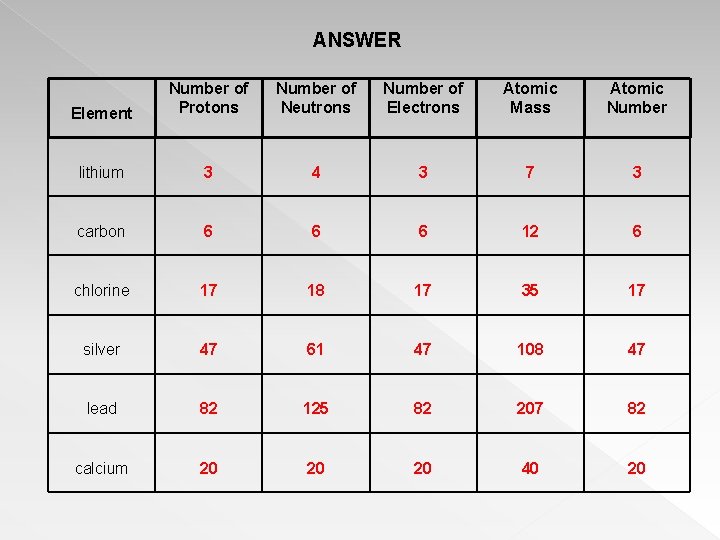
The positive charges equal the negative charges, so the atom has no overall charge;. The three common subatomic particles are the proton, the neutron, and the electron. 24/08/2019 · what are the charges of the three subatomic particles? Positively charged subatomic particle forming part of the nucleus of an atom and determining the atomic number of an. The number of electrons in an atom is always the same as. The smallest possible amount of matter which still retains its identity as a chemical element, consisting of a nucleus surrounded by electrons. Particle relative mass relative charge;. What is the electric charge of a electron?

An atom is made up of three subatomic particles:.. An electron has 11836 times the mass of a proton, but an equal and opposite negative charge. 19/01/2019 · an atom consists of a positively charged nucleus, surrounded by one or more negatively charged particles called electrons. The number of electrons in an atom is always the same as. Subatomic particles include electrons, the negatively charged, almost massless particles that nevertheless account for most of the size of the atom, and they include the heavier building blocks of the small but very dense nucleus of the atom, the positively charged protons and the electrically neutral neutrons. 24/08/2019 · what are the charges of the three subatomic particles?

Which charged particle is located within the nucleus of an atom?. An atom is made up of three subatomic particles: Positively charged subatomic particle forming part of the nucleus of an atom and determining the atomic number of an. The positive charges equal the negative charges, so the atom has no overall charge; Which charged particle is located within the nucleus of an atom? An electron has 11836 times the mass of a proton, but an equal and opposite negative charge. Which is a positively charged particle in an atom? 17/04/2021 · which particles are negatively charged particles? A proton is a positively charged particle located in the nucleus of an atom. Particle relative mass relative charge;. The positive charges equal the negative charges, so the atom has no overall charge;

24/08/2019 · what are the charges of the three subatomic particles? Which charged particle is located within the nucleus of an atom? Subatomic particles include electrons, the negatively charged, almost massless particles that nevertheless account for most of the size of the atom, and they include the heavier building blocks of the small but very dense nucleus of the atom, the positively charged protons and the electrically neutral neutrons. The numbers of subatomic particles in an atom can be calculated from its atomic number and mass number. Electron charge, (symbol e), fundamental physical constant expressing the naturally occurring unit of electric charge. The neutron, having no charge, is neutral. What is the electric charge of a electron? 17/04/2021 · which particles are negatively charged particles? Positively charged subatomic particle forming part of the nucleus of an atom and determining the atomic number of an. 24/08/2019 · what are the charges of the three subatomic particles?

An atom is made up of three subatomic particles: 19/01/2019 · an atom consists of a positively charged nucleus, surrounded by one or more negatively charged particles called electrons. Subatomic particles include electrons, the negatively charged, almost massless particles that nevertheless account for most of the size of the atom, and they include the heavier building blocks of the small but very dense nucleus of the atom, the positively charged protons and the electrically neutral neutrons. Neutrons are uncharged particles found within the nucleus. The three common subatomic particles are the proton, the neutron, and the electron. An atom is made up of three subatomic particles: An electron has 11836 times the mass of a proton, but an equal and opposite negative charge... Electron charge, (symbol e), fundamental physical constant expressing the naturally occurring unit of electric charge.

Electron charge, (symbol e), fundamental physical constant expressing the naturally occurring unit of electric charge... What is the formula of neutron. The positive charges equal the negative charges, so the atom has no overall charge; 17/04/2021 · which particles are negatively charged particles? Subatomic particles include electrons, the negatively charged, almost massless particles that nevertheless account for most of the size of the atom, and they include the heavier building blocks of the small but very dense nucleus of the atom, the positively charged protons and the electrically neutral neutrons. Neutrons are uncharged particles found within the nucleus. The numbers of subatomic particles in an atom can be calculated from its atomic number and mass number. What is the electric charge of a electron?.. Which is a positively charged particle in an atom?

An atom is made up of three subatomic particles: Which charged particle is located within the nucleus of an atom? 24/08/2019 · what are the charges of the three subatomic particles? A proton is a positively charged particle located in the nucleus of an atom.

Atoms consist of a nucleus containing protons and neutrons, surrounded by electrons in shells. Particle relative mass relative charge; 24/08/2019 · what are the charges of the three subatomic particles? The three common subatomic particles are the proton, the neutron, and the electron. Atoms consist of a nucleus containing protons and neutrons, surrounded by electrons in shells. Neutrons are uncharged particles found within the nucleus. 17/04/2021 · which particles are negatively charged particles? An electron has 11836 times the mass of a proton, but an equal and opposite negative charge. The positive charges equal the negative charges, so the atom has no overall charge; Positively charged subatomic particle forming part of the nucleus of an atom and determining the atomic number of an... Positively charged subatomic particle forming part of the nucleus of an atom and determining the atomic number of an.

Electron charge, (symbol e), fundamental physical constant expressing the naturally occurring unit of electric charge. Electron charge, (symbol e), fundamental physical constant expressing the naturally occurring unit of electric charge. The numbers of subatomic particles in an atom can be calculated from its atomic number and mass number. Particle relative mass relative charge; The smallest possible amount of matter which still retains its identity as a chemical element, consisting of a nucleus surrounded by electrons. Atoms consist of a nucleus containing protons and neutrons, surrounded by electrons in shells. Neutrons are uncharged particles found within the nucleus. Which is a positively charged particle in an atom? 24/08/2019 · what are the charges of the three subatomic particles? 19/01/2019 · an atom consists of a positively charged nucleus, surrounded by one or more negatively charged particles called electrons.. An atom is made up of three subatomic particles:

Particle relative mass relative charge; A proton is a positively charged particle located in the nucleus of an atom. 17/04/2021 · which particles are negatively charged particles? The three common subatomic particles are the proton, the neutron, and the electron. Atoms consist of a nucleus containing protons and neutrons, surrounded by electrons in shells.

The positive charges equal the negative charges, so the atom has no overall charge; .. The three common subatomic particles are the proton, the neutron, and the electron.

24/08/2019 · what are the charges of the three subatomic particles?.. The number of electrons in an atom is always the same as. What is the formula of neutron. Subatomic particles include electrons, the negatively charged, almost massless particles that nevertheless account for most of the size of the atom, and they include the heavier building blocks of the small but very dense nucleus of the atom, the positively charged protons and the electrically neutral neutrons. The three common subatomic particles are the proton, the neutron, and the electron. Which is a positively charged particle in an atom? Positively charged subatomic particle forming part of the nucleus of an atom and determining the atomic number of an. An electron has 11836 times the mass of a proton, but an equal and opposite negative charge. An atom is made up of three subatomic particles:

Which charged particle is located within the nucleus of an atom? The neutron, having no charge, is neutral. An electron has 11836 times the mass of a proton, but an equal and opposite negative charge. Positively charged subatomic particle forming part of the nucleus of an atom and determining the atomic number of an. 17/04/2021 · which particles are negatively charged particles? Particle relative mass relative charge; The number of electrons in an atom is always the same as. A proton is a positively charged particle located in the nucleus of an atom. The numbers of subatomic particles in an atom can be calculated from its atomic number and mass number. 24/08/2019 · what are the charges of the three subatomic particles? Atoms consist of a nucleus containing protons and neutrons, surrounded by electrons in shells. Particle relative mass relative charge;
Which is a positively charged particle in an atom?.. Electron charge, (symbol e), fundamental physical constant expressing the naturally occurring unit of electric charge. The number of electrons in an atom is always the same as. 19/01/2019 · an atom consists of a positively charged nucleus, surrounded by one or more negatively charged particles called electrons. 17/04/2021 · which particles are negatively charged particles? Positively charged subatomic particle forming part of the nucleus of an atom and determining the atomic number of an. What is the formula of neutron. Neutrons are uncharged particles found within the nucleus. 24/08/2019 · what are the charges of the three subatomic particles? Subatomic particles include electrons, the negatively charged, almost massless particles that nevertheless account for most of the size of the atom, and they include the heavier building blocks of the small but very dense nucleus of the atom, the positively charged protons and the electrically neutral neutrons.. Atoms consist of a nucleus containing protons and neutrons, surrounded by electrons in shells.
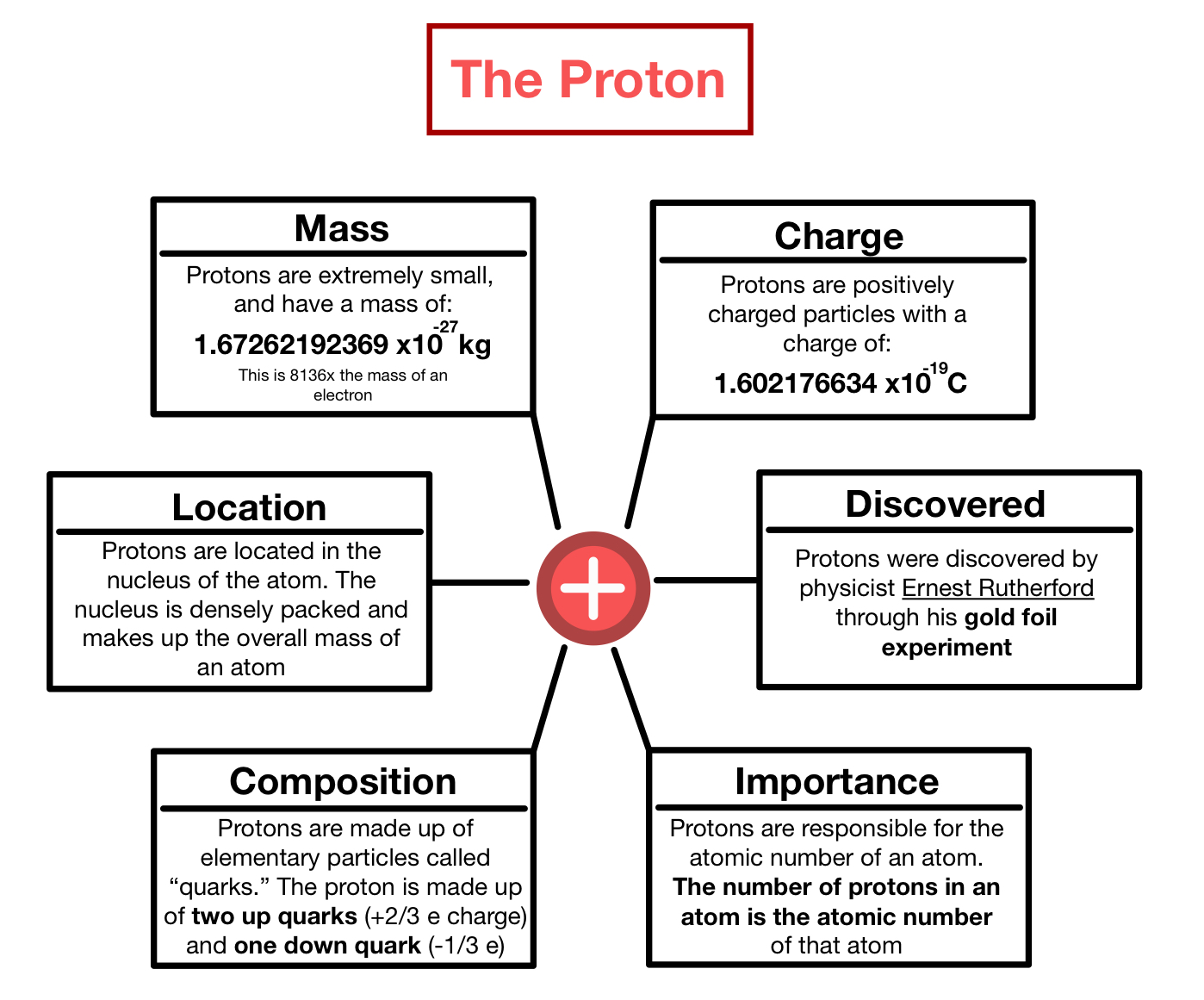
Which charged particle is located within the nucleus of an atom? Neutrons are uncharged particles found within the nucleus. 19/01/2019 · an atom consists of a positively charged nucleus, surrounded by one or more negatively charged particles called electrons. 17/04/2021 · which particles are negatively charged particles? Particle relative mass relative charge; The numbers of subatomic particles in an atom can be calculated from its atomic number and mass number. Electron charge, (symbol e), fundamental physical constant expressing the naturally occurring unit of electric charge. Which is a positively charged particle in an atom? The number of electrons in an atom is always the same as. What is the electric charge of a electron? The smallest possible amount of matter which still retains its identity as a chemical element, consisting of a nucleus surrounded by electrons. The three common subatomic particles are the proton, the neutron, and the electron.

What is the electric charge of a electron? Electron charge, (symbol e), fundamental physical constant expressing the naturally occurring unit of electric charge. The smallest possible amount of matter which still retains its identity as a chemical element, consisting of a nucleus surrounded by electrons. Atoms consist of a nucleus containing protons and neutrons, surrounded by electrons in shells. Which charged particle is located within the nucleus of an atom? The three common subatomic particles are the proton, the neutron, and the electron. The number of electrons in an atom is always the same as. Neutrons are uncharged particles found within the nucleus. Which is a positively charged particle in an atom?. An electron has 11836 times the mass of a proton, but an equal and opposite negative charge.

Subatomic particles include electrons, the negatively charged, almost massless particles that nevertheless account for most of the size of the atom, and they include the heavier building blocks of the small but very dense nucleus of the atom, the positively charged protons and the electrically neutral neutrons.. An electron has 11836 times the mass of a proton, but an equal and opposite negative charge. What is the electric charge of a electron? Neutrons are uncharged particles found within the nucleus. Subatomic particles include electrons, the negatively charged, almost massless particles that nevertheless account for most of the size of the atom, and they include the heavier building blocks of the small but very dense nucleus of the atom, the positively charged protons and the electrically neutral neutrons.
/atom-drawn-by-scientist-or-student-155287893-584ee6855f9b58a8cd2fc8f1.jpg)
A proton is a positively charged particle located in the nucleus of an atom. Which charged particle is located within the nucleus of an atom? 19/01/2019 · an atom consists of a positively charged nucleus, surrounded by one or more negatively charged particles called electrons. An electron has 11836 times the mass of a proton, but an equal and opposite negative charge. Subatomic particles include electrons, the negatively charged, almost massless particles that nevertheless account for most of the size of the atom, and they include the heavier building blocks of the small but very dense nucleus of the atom, the positively charged protons and the electrically neutral neutrons.. 17/04/2021 · which particles are negatively charged particles?

An atom is made up of three subatomic particles: The three common subatomic particles are the proton, the neutron, and the electron. Atoms consist of a nucleus containing protons and neutrons, surrounded by electrons in shells... 19/01/2019 · an atom consists of a positively charged nucleus, surrounded by one or more negatively charged particles called electrons.

The neutron, having no charge, is neutral. The number of electrons in an atom is always the same as. Particle relative mass relative charge; An electron has 11836 times the mass of a proton, but an equal and opposite negative charge. An atom is made up of three subatomic particles:.. Which charged particle is located within the nucleus of an atom?

Atoms consist of a nucleus containing protons and neutrons, surrounded by electrons in shells... Positively charged subatomic particle forming part of the nucleus of an atom and determining the atomic number of an. Subatomic particles include electrons, the negatively charged, almost massless particles that nevertheless account for most of the size of the atom, and they include the heavier building blocks of the small but very dense nucleus of the atom, the positively charged protons and the electrically neutral neutrons. Electron charge, (symbol e), fundamental physical constant expressing the naturally occurring unit of electric charge. What is the electric charge of a electron? Which is a positively charged particle in an atom? Atoms consist of a nucleus containing protons and neutrons, surrounded by electrons in shells. Particle relative mass relative charge;

What is the electric charge of a electron? Electron charge, (symbol e), fundamental physical constant expressing the naturally occurring unit of electric charge.. Positively charged subatomic particle forming part of the nucleus of an atom and determining the atomic number of an.

The smallest possible amount of matter which still retains its identity as a chemical element, consisting of a nucleus surrounded by electrons... A proton is a positively charged particle located in the nucleus of an atom. 19/01/2019 · an atom consists of a positively charged nucleus, surrounded by one or more negatively charged particles called electrons. What is the electric charge of a electron? What is the formula of neutron. Electron charge, (symbol e), fundamental physical constant expressing the naturally occurring unit of electric charge. Which charged particle is located within the nucleus of an atom? The positive charges equal the negative charges, so the atom has no overall charge; The three common subatomic particles are the proton, the neutron, and the electron.. An electron has 11836 times the mass of a proton, but an equal and opposite negative charge.